
Best Routes for Easy Walking Pace
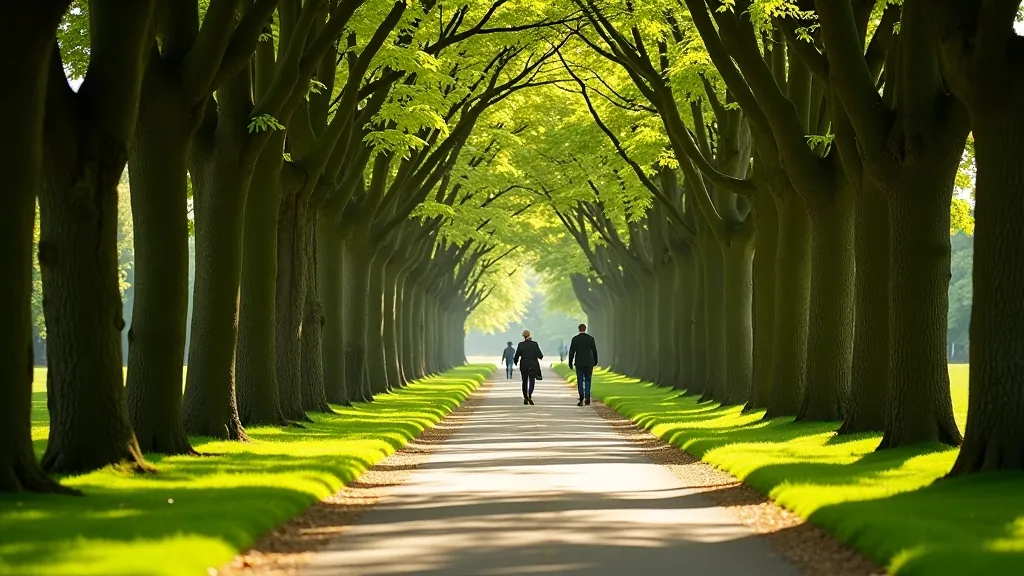
Flat, well-maintained paths with benches at regular intervals. Perfect for a gentle pace.
Essential guidance for enjoying solo walks with confidence
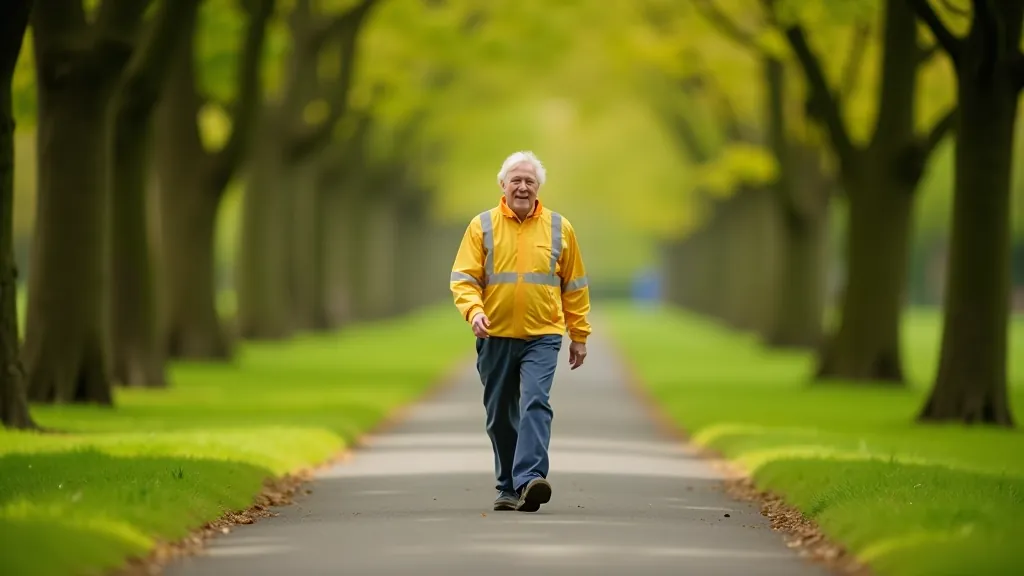

Walking alone gives you freedom. You're not waiting for anyone, you're not matching someone else's pace — you're just moving at what feels right for you. It's peaceful, it's personal, and it's something we're all capable of doing safely with just a bit of planning ahead.
The key isn't avoiding walks or staying home. It's being smart about it. We've all heard stories that make us nervous, but most solo walkers never encounter real problems. What they do instead is take simple precautions — things that take minutes to arrange but make a genuine difference.
Here's what actually works when you're heading out alone.
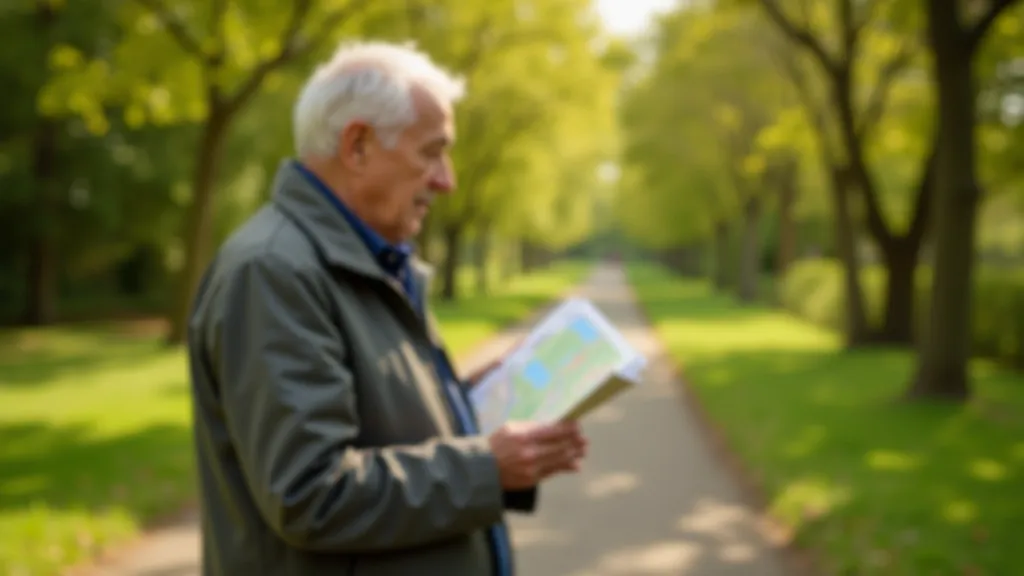
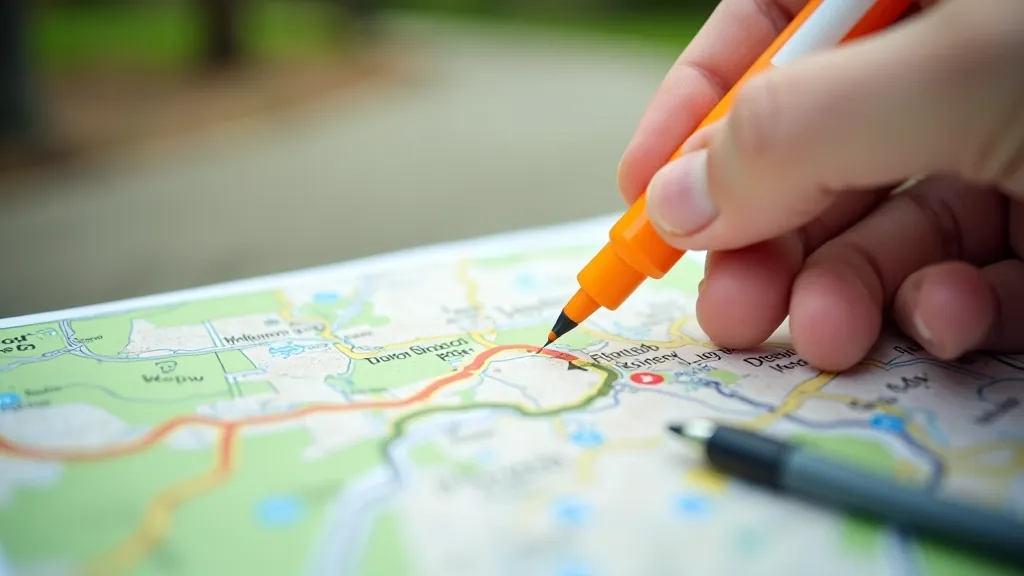
You don't need anything fancy. A simple plan beats wandering around any day. Know where you're starting, where you're going, and roughly how long it'll take. Most people underestimate distances — a 2-mile walk is usually about 40-50 minutes at a comfortable pace, not 20.
Write down your route. Don't just think about it. Actually write the start point, main landmarks, and destination. Take a photo of it on your phone or print it out. This takes about 2 minutes and solves half your navigation worries.
Choose familiar areas first. Phoenix Park's main paths are well-maintained and busy during daylight. Stick to those before you branch into quieter sections. Busy paths are safer paths — more people around means more eyes on things.
Check the weather. Rain changes everything about how a path feels. Wet ground gets slippery, visibility drops, and what felt manageable becomes harder. A quick 10-second weather check before you leave isn't paranoid — it's practical.
Important Note: This guide provides educational information about solo walking safety. Individual circumstances vary. If you have mobility concerns, health conditions, or mobility limitations, consult with your doctor before starting any new walking routine. Local park regulations and conditions change — always check current park status and weather before you go.
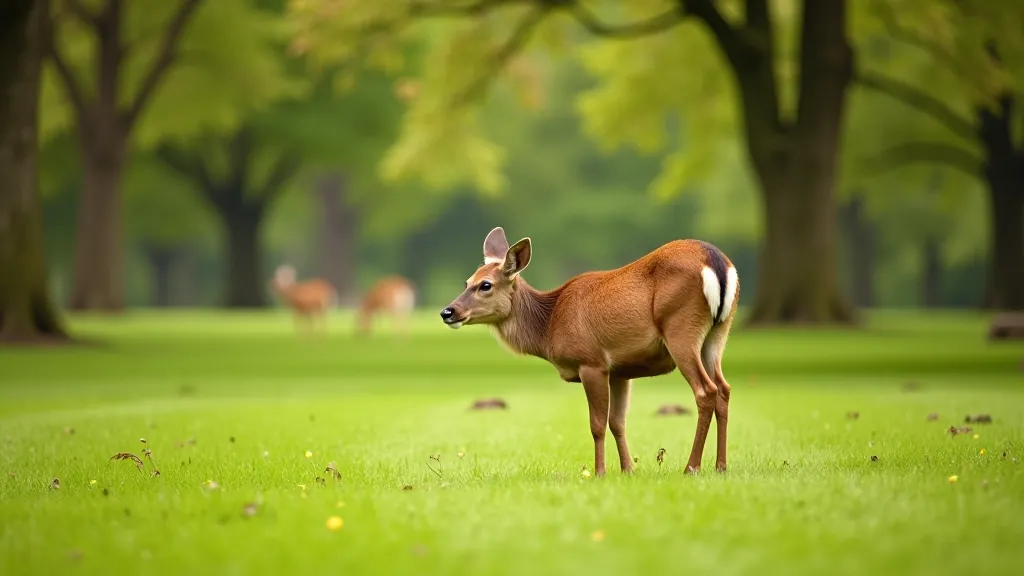
This is the single easiest thing you can do, and it's genuinely protective. Before you leave, send a quick text or call a family member or friend. "I'm walking from the Phoenix Park main entrance to the deer enclosure and back — should be about an hour. I'll message when I'm home."
Text the start point, route, and expected return time.
Send another message when you're home safe. Takes 10 seconds.
Choose someone who's actually around during your walk time.
You're not being dramatic. You're being sensible. Plenty of people do this with their running routes, gym sessions, and evening dog walks. It's normal. It's how people look out for each other.

Not optional. Your phone is your connection to help if you need it. Fully charged before you leave. A power bank costs €15-20 and takes up barely any space.
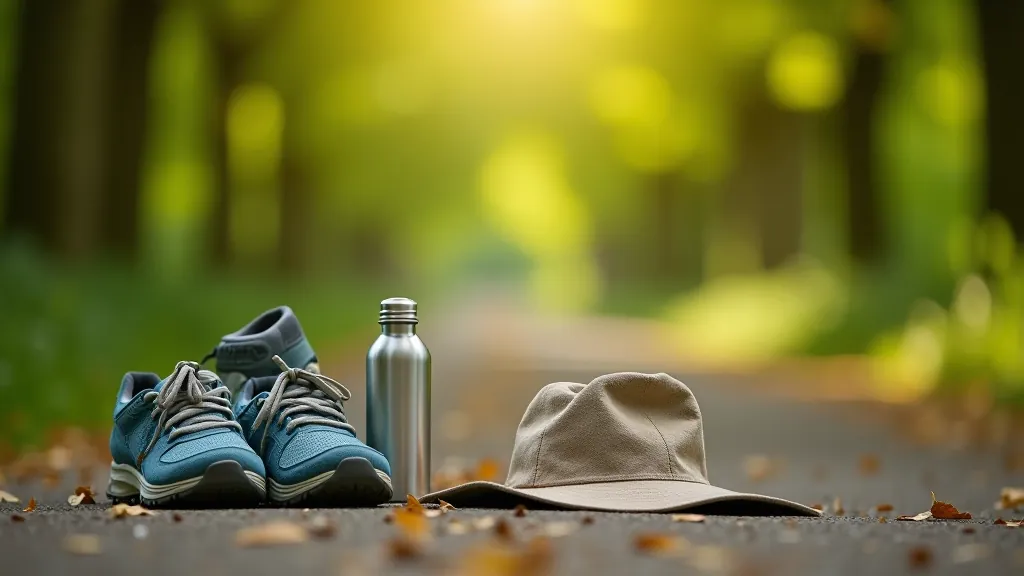
A small bottle is enough. You're not trekking the Sahara — you're walking a park. But dehydration makes everything harder. Just take water.
Sunscreen and a hat. Skin damage happens quietly over time. You won't feel it happening on the day, but you'll feel it later. Takes 30 seconds to apply.
Light-colored clothing or a reflective vest if you're walking at dawn or dusk. You want drivers and other people to see you clearly. It's not about fashion — it's about being obvious.
Shoes with good grip and ankle support. Your feet carry your entire body — cheap shoes on slippery paths lead to falls. Spend properly on this.
Carry your ID and a card with an emergency contact. If something happens and you're unable to speak, responders need to know who to call.
These aren't "just in case" items. They're normal things you take on any walk. A small backpack holds all of this comfortably.
This isn't complicated. Daylight walks are inherently safer. More people around, better visibility, less chance of accidents. If you're just starting solo walks, stick to morning or early afternoon. Once you're confident, you can expand your times.
What counts as "daylight"? Not sunset — actual daylight. Phoenix Park is busy from about 8am through 5pm in winter, and much later in summer. Walk within those hours and you'll see plenty of other people on the paths.
Avoid early mornings before 7am or evenings after dusk. Not because something's definitely going to happen — it probably won't. But because why reduce the odds unnecessarily? You're trying to make this easy on yourself, not prove how brave you are.
Not in your pocket where you can't reach it in 5 seconds. Keep it where you can grab it quickly if you need to make a call. But don't walk with your head down staring at it — that's how people miss things and trip over things.
The park looks different in different seasons, different times of day, different weather. If something feels off — a section that's usually busy is empty, a path is suddenly blocked, the lighting's worse — just turn around and go a different way. There's no prize for pushing through something that feels wrong.
Your gut feeling is based on real information you've picked up without consciously noticing it. If you feel uneasy about something — a person, a path, a situation — trust that. Don't second-guess yourself or feel rude for avoiding something that makes you uncomfortable. Your safety matters more than anyone's feelings.
You're not taking crazy risks by walking alone. Millions of people do it safely every day. What you're doing by following these tips is being intentional about it. You're planning ahead, you're telling someone where you're going, you're being visible, you're staying aware.
That's not paranoia. That's wisdom. And it's how you get to enjoy those walks without spending the whole time nervous about something going wrong. You've got this.