Best Routes for Easy Walking Pace
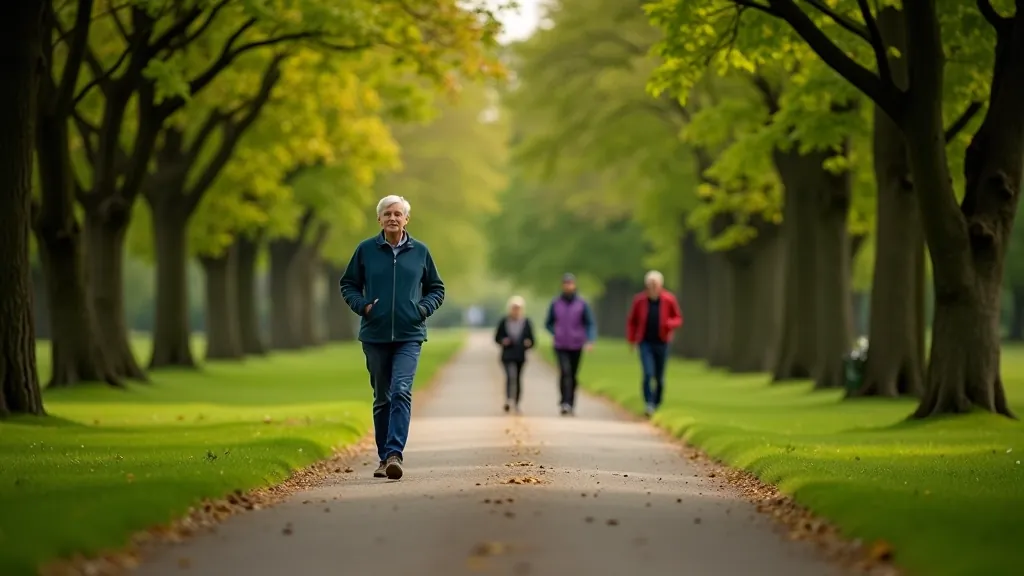
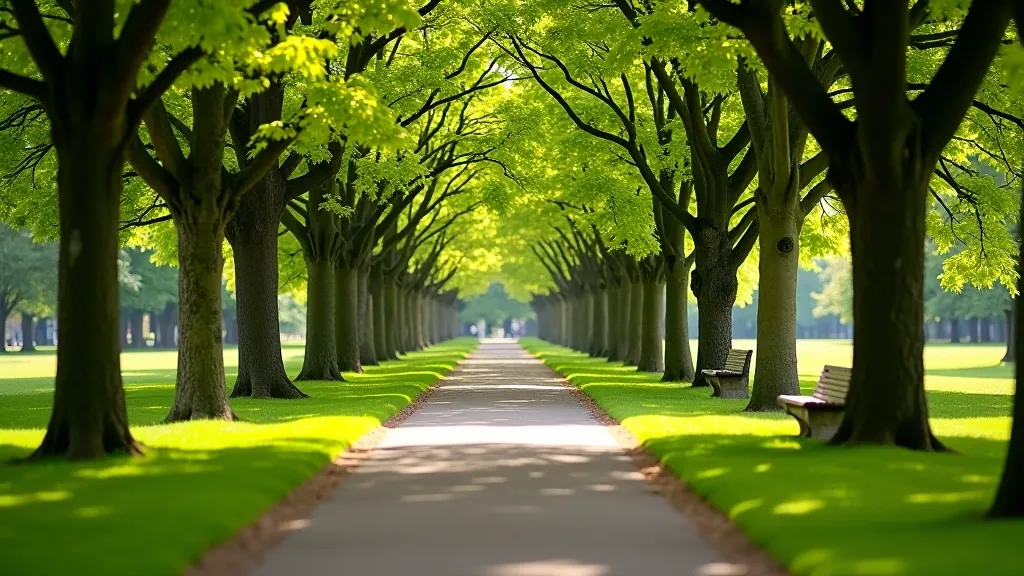
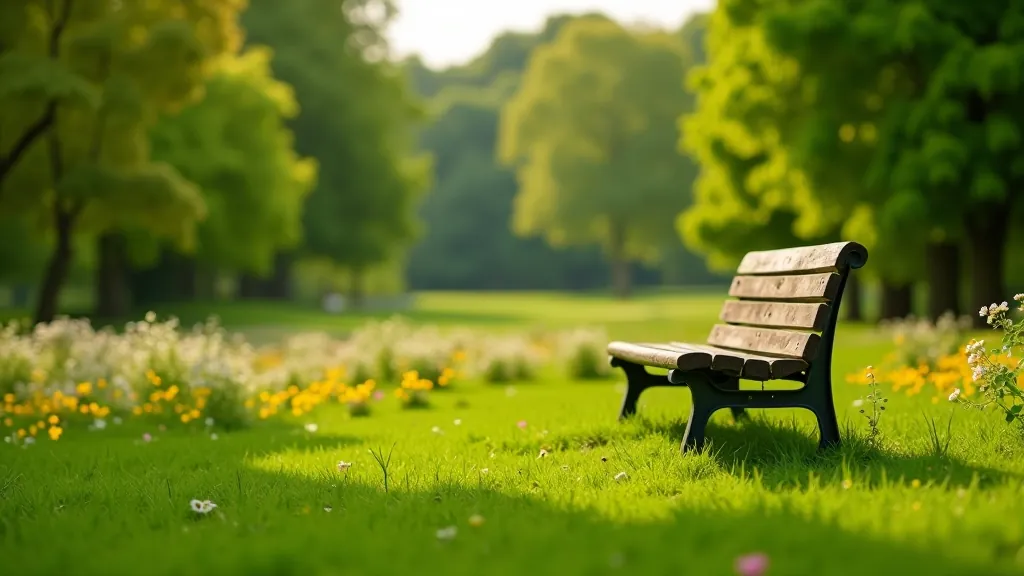
Flat, well-maintained paths with benches at regular intervals. Perfect for a gentle stroll at your own pace.

Phoenix Park isn't just about the paths and scenery — it's alive with creatures and plants you'll spot if you know where to look. We're talking deer grazing in open meadows, birds calling from ancient trees, and wildflowers blooming in unexpected corners. You don't need to be a nature expert to enjoy it. Most visitors naturally pause to watch a red squirrel or listen to birdsong without even realizing how much wildlife surrounds them.
The park's most iconic residents are the fallow and sika deer. You'll see them most often in early morning or late afternoon, grazing in the open grasslands near the main roads. Don't approach them — they're wild animals and can be unpredictable if startled. But from a safe distance, watching them is genuinely peaceful. Red squirrels dart through the trees (much more common here than in the city center). Rabbits are everywhere, especially near the wooded edges.
Less obvious but present: hedgehogs, foxes at dusk, and bats after dark. You probably won't see them all in one visit, but that's part of what makes coming back interesting. There's always something new to notice.

This guide is informational. Deer and other wildlife can be unpredictable. Always maintain safe distance, never feed animals, and follow park regulations. If you have specific concerns about wildlife encounters, contact Phoenix Park visitor services.
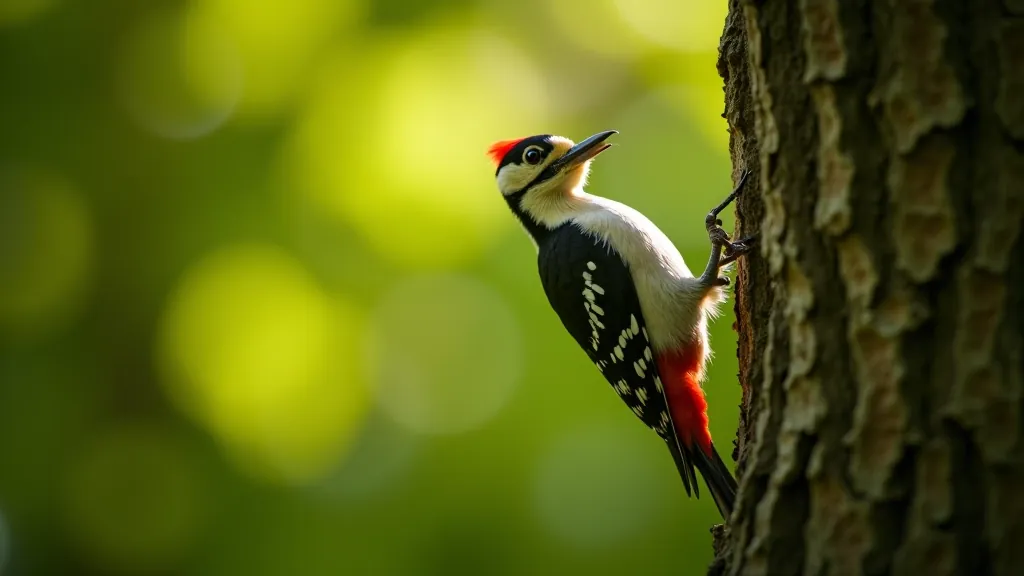
You'll hear birds before you see them. Robins, wrens, and blackbirds are common year-round. Woodpeckers drum on dead trees (great spotted and green woodpeckers live here). In spring and summer, you'll notice more songbirds — it gets louder and livelier. Pheasants sometimes cross the path ahead of you, causing a minor heart attack even though you know they're harmless.
The park is genuinely important for bird conservation. Around 60 species have been recorded here. You won't identify all of them — that's fine. Just sit on a bench and listen. It's one of the best stress-relief tools available, completely free, and it's why so many regular walkers come back again and again.
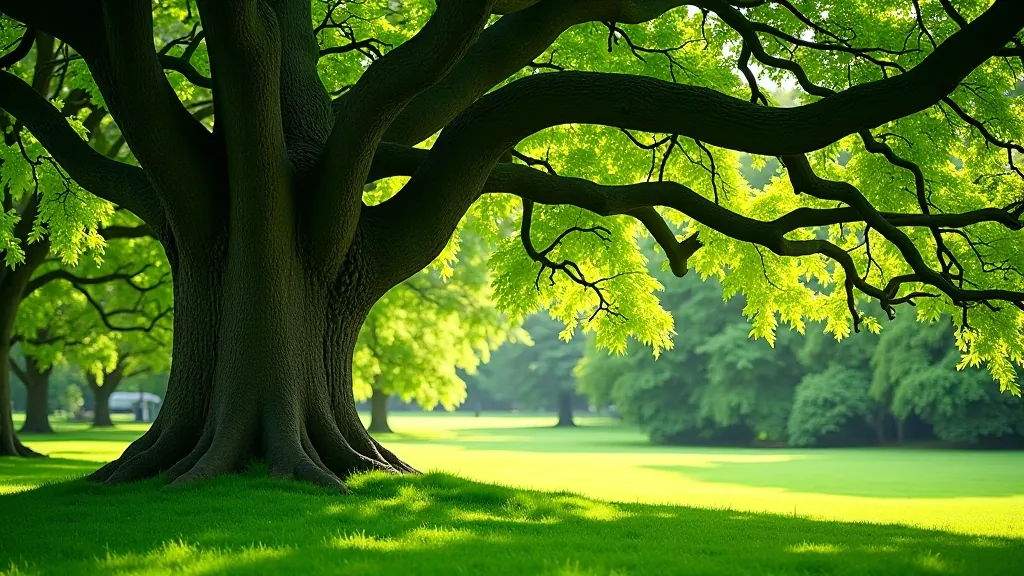
Ancient oaks dominate the landscape — some are 300+ years old. They're genuinely impressive. Beech, ash, and Scots pine fill out the rest. Walking under a mature oak on a sunny day creates this natural cathedral feeling that's hard to describe until you experience it.
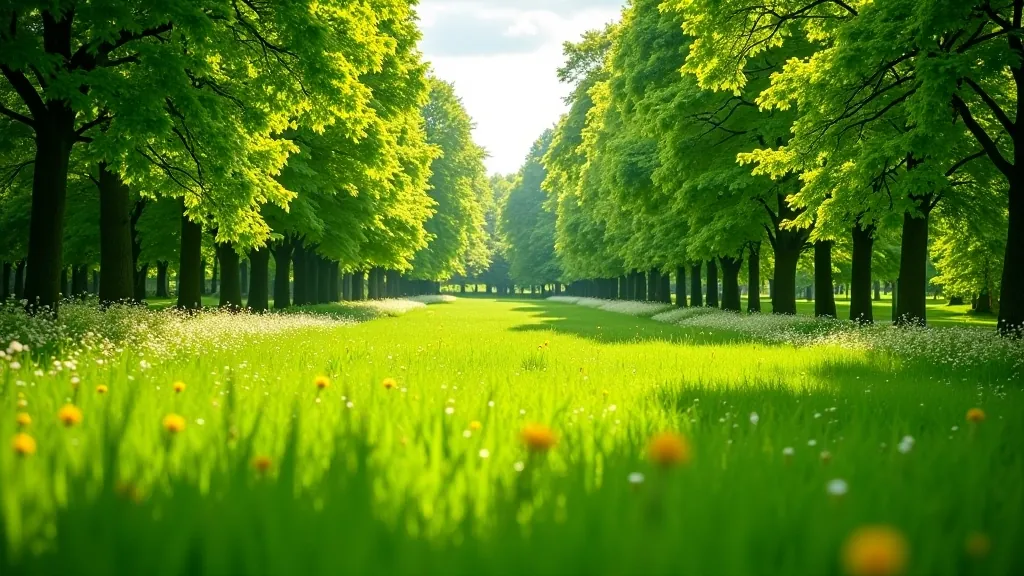
Spring brings bluebells in wooded areas and wildflowers in the grasslands. Summer's the time for meadow flowers — daisies, buttercups, bird's-foot trefoil. These aren't exotic plants, but they're beautiful and they matter. The wildflower areas support the insects and birds that make the park lively.
You don't need fancy equipment or special knowledge. Here's what works: move slowly, pause often, and be quiet. The deer will notice you before you see them, so unexpected sightings happen when you're not specifically looking. Early morning (before 9 AM) is genuinely better. There's less foot traffic and animals are more active. Bring binoculars if you've got them — not essential, but nice for bird watching.
Wear neutral colors if you want better wildlife viewing, though the animals here are used to people. Don't stress about it. The main thing is to slow down. Most people rush through the park. The ones who see the most wildlife are simply the ones who take time to notice. Sit on a bench for ten minutes. Look around. Listen. You'll be surprised what you catch when you're not rushing.
Phoenix Park's wildlife is one of its best features. It's there whether you notice it or not. But when you do pause and actually look — when you see a deer lift its head, or hear a woodpecker working, or find a patch of wildflowers — something shifts. Walking becomes more than exercise. It becomes connection. Come back regularly if you can. The park changes with the seasons, and so does the wildlife. You'll keep finding new things to appreciate, even on routes you've walked a dozen times before.